'/%3e%3cg%3e%3cclipPath%20id='a'%3e%3cpath%20d='M0%200h104.484v16H0z'/%3e%3c/clipPath%3e%3cg%20clip-path='url(%23a)'%3e%3cclipPath%20id='b'%3e%3cpath%20d='M-.024%200h104.532v16H-.024z'/%3e%3c/clipPath%3e%3cg%20clip-path='url(%23b)'%3e%3cpath%20d='M12.532%204.621h3.611v11.031h-3.611zM17.782%2012.212h3.446q.142.599.517.862.375.261%201.116.261.621%200%20.977-.213.357-.213.357-.588%200-.598-1.491-.973l-.458-.113q-1.22-.314-1.944-.573-.723-.257-1.052-.482a3%203%200%200%201-.955-1.093q-.32-.637-.319-1.453%200-1.64%201.236-2.576%201.238-.936%203.402-.937%202.127.001%203.349.896%201.22.895%201.378%202.564h-3.364q-.082-.487-.431-.726-.348-.24-.992-.239-.57%200-.847.186-.277.187-.277.569%200%20.546%201.453.914.127.038.196.053l.636.156q1.926.487%202.517.884.734.486%201.071%201.108.338.622.338%201.468%200%201.828-1.278%202.808-1.277.982-3.659.981-2.195%200-3.48-.981-1.285-.98-1.442-2.763'%20style='fill-rule:nonzero'/%3e%3cpath%20d='M17.782%2012.212h3.446q.142.599.517.862.375.261%201.116.261.621%200%20.977-.213.357-.213.357-.588%200-.598-1.491-.973l-.458-.113q-1.22-.314-1.944-.573-.723-.257-1.052-.482a3%203%200%200%201-.955-1.093q-.32-.637-.319-1.453%200-1.64%201.236-2.576%201.238-.936%203.402-.937%202.127.001%203.349.896%201.22.895%201.378%202.564h-3.364q-.082-.487-.431-.726-.348-.24-.992-.239-.57%200-.847.186-.277.187-.277.569%200%20.546%201.453.914.127.038.196.053l.636.156q1.926.487%202.517.884.734.486%201.071%201.108.338.622.338%201.468%200%201.828-1.278%202.808-1.277.982-3.659.981-2.195%200-3.48-.981-1.285-.98-1.442-2.763'%20style='fill-rule:nonzero'%20transform='translate(90.312)'/%3e%3cpath%20d='M29.241%2015.651V4.621h8.817v2.644h-5.273v1.468h4.458v2.53h-4.458v1.708h5.49v2.68zM52.417%2015.651V4.621h3.543v3.744h3.304V4.621h3.544v11.03h-3.544v-4.276H55.96v4.276zM67.993%2010.145q0%201.565.525%202.3.524.733%201.64.733%201.11.001%201.626-.73.517-.73.516-2.303%200-1.579-.516-2.31-.517-.73-1.626-.73-1.116%200-1.64.734-.525.734-.525%202.306m-3.574%200q0-2.696%201.54-4.253%201.54-1.558%204.199-1.558%202.652%200%204.188%201.558%201.535%201.557%201.535%204.253%200%202.689-1.535%204.25-1.536%201.562-4.188%201.561-2.66.001-4.199-1.561-1.54-1.561-1.54-4.25M50.319%204.621h-3.378v6.047l-3.648-6.047h-3.364v11.03h3.364V9.647l3.648%206.004h3.378zM99.597%204.621H96.22v6.049l-3.65-6.049h-3.363v11.03h3.364V9.647l.547.9.007.013%203.095%205.091h3.377zM83.062%209.246h-2.067V7.217h2.067a1.015%201.015%200%201%201%200%202.029m2.832%201.885a3.6%203.6%200%200%200%201.465-2.899%203.615%203.615%200%200%200-3.615-3.614h-6.248v11.03h3.499v-3.804h1.709l1.584%203.804h3.486zM3.343%203.766c0-.49.122-.95.336-1.354H-.024v13.237h11.268l-1.279-3.217H4.228v-2.048h5.349V7.345H4.228V5.851a2.9%202.9%200%200%201-.885-2.085'%20style='fill-rule:nonzero'/%3e%3cpath%20d='M4.711%202.408a2.04%202.04%200%200%200-.485%201.74%202.06%202.06%200%200%200%201.069%201.436C7.614%205.462%2012.983%204.671%2014.02%200c0%200-2.306%202.305-9.309%202.408M102.821%205.888h.208c.233%200%20.37-.102.37-.267%200-.154-.118-.252-.343-.252h-.235zm-.245-.735h.419c.338%200%20.664.054.664.463%200%20.209-.154.356-.353.39v.005c.076.029.113.066.167.172l.323.681h-.279l-.262-.593c-.076-.167-.157-.167-.287-.167h-.147v.76h-.245z'%20style='fill-rule:nonzero'/%3e%3cpath%20d='M101.861%206.051a1.21%201.21%200%200%200%201.21%201.209%201.21%201.21%200%200%200%201.209-1.209%201.21%201.21%200%200%200-2.419%200m-.211%200a1.42%201.42%200%201%201%202.842%200%201.42%201.42%200%201%201-2.842%200'%20style='fill-rule:nonzero'/%3e%3c/g%3e%3c/g%3e%3c/g%3e%3cpath%20d='M17.782%2012.212h3.446q.142.599.517.862.375.261%201.116.261.621%200%20.977-.213.357-.213.357-.588%200-.598-1.491-.973l-.458-.113q-1.22-.314-1.944-.573-.723-.257-1.052-.482a3%203%200%200%201-.955-1.093q-.32-.637-.319-1.453%200-1.64%201.236-2.576%201.238-.936%203.402-.937%202.127.001%203.349.896%201.22.895%201.378%202.564h-3.364q-.082-.487-.431-.726-.348-.24-.992-.239-.57%200-.847.186-.277.187-.277.569%200%20.546%201.453.914.127.038.196.053l.636.156q1.926.487%202.517.884.734.486%201.071%201.108.338.622.338%201.468%200%201.828-1.278%202.808-1.277.982-3.659.981-2.195%200-3.48-.981-1.285-.98-1.442-2.763'%20style='fill-rule:nonzero'%20transform='translate(90.358%20-1.373)scale(1.08605)'/%3e%3c/svg%3e)

'/%3e%3cg%20transform='translate(.478)'%3e%3cclipPath%20id='a'%3e%3cpath%20d='M0%200h104.484v16H0z'/%3e%3c/clipPath%3e%3cg%20clip-path='url(%23a)'%3e%3cclipPath%20id='b'%3e%3cpath%20d='M-.024%200h104.532v16H-.024z'/%3e%3c/clipPath%3e%3cg%20clip-path='url(%23b)'%3e%3cpath%20d='M12.532%204.621h3.611v11.031h-3.611zM17.782%2012.212h3.446q.142.599.517.862.375.261%201.116.261.621%200%20.977-.213.357-.213.357-.588%200-.598-1.491-.973l-.458-.113q-1.22-.314-1.944-.573-.723-.257-1.052-.482a3%203%200%200%201-.955-1.093q-.32-.637-.319-1.453%200-1.64%201.236-2.576%201.238-.936%203.402-.937%202.127.001%203.349.896%201.22.895%201.378%202.564h-3.364q-.082-.487-.431-.726-.348-.24-.992-.239-.57%200-.847.186-.277.187-.277.569%200%20.546%201.453.914.127.038.196.053l.636.156q1.926.487%202.517.884.734.486%201.071%201.108.338.622.338%201.468%200%201.828-1.278%202.808-1.277.982-3.659.981-2.195%200-3.48-.981-1.285-.98-1.442-2.763'%20style='fill-rule:nonzero'/%3e%3cpath%20d='M17.782%2012.212h3.446q.142.599.517.862.375.261%201.116.261.621%200%20.977-.213.357-.213.357-.588%200-.598-1.491-.973l-.458-.113q-1.22-.314-1.944-.573-.723-.257-1.052-.482a3%203%200%200%201-.955-1.093q-.32-.637-.319-1.453%200-1.64%201.236-2.576%201.238-.936%203.402-.937%202.127.001%203.349.896%201.22.895%201.378%202.564h-3.364q-.082-.487-.431-.726-.348-.24-.992-.239-.57%200-.847.186-.277.187-.277.569%200%20.546%201.453.914.127.038.196.053l.636.156q1.926.487%202.517.884.734.486%201.071%201.108.338.622.338%201.468%200%201.828-1.278%202.808-1.277.982-3.659.981-2.195%200-3.48-.981-1.285-.98-1.442-2.763'%20style='fill-rule:nonzero'%20transform='translate(90.312)'/%3e%3cpath%20d='M29.241%2015.651V4.621h8.817v2.644h-5.273v1.468h4.458v2.53h-4.458v1.708h5.49v2.68zM52.417%2015.651V4.621h3.543v3.744h3.304V4.621h3.544v11.03h-3.544v-4.276H55.96v4.276zM67.993%2010.145q0%201.565.525%202.3.524.733%201.64.733%201.11.001%201.626-.73.517-.73.516-2.303%200-1.579-.516-2.31-.517-.73-1.626-.73-1.116%200-1.64.734-.525.734-.525%202.306m-3.574%200q0-2.696%201.54-4.253%201.54-1.558%204.199-1.558%202.652%200%204.188%201.558%201.535%201.557%201.535%204.253%200%202.689-1.535%204.25-1.536%201.562-4.188%201.561-2.66.001-4.199-1.561-1.54-1.561-1.54-4.25M50.319%204.621h-3.378v6.047l-3.648-6.047h-3.364v11.03h3.364V9.647l3.648%206.004h3.378zM99.597%204.621H96.22v6.049l-3.65-6.049h-3.363v11.03h3.364V9.647l.547.9.007.013%203.095%205.091h3.377zM83.062%209.246h-2.067V7.217h2.067a1.015%201.015%200%201%201%200%202.029m2.832%201.885a3.6%203.6%200%200%200%201.465-2.899%203.615%203.615%200%200%200-3.615-3.614h-6.248v11.03h3.499v-3.804h1.709l1.584%203.804h3.486zM3.343%203.766c0-.49.122-.95.336-1.354H-.024v13.237h11.268l-1.279-3.217H4.228v-2.048h5.349V7.345H4.228V5.851a2.9%202.9%200%200%201-.885-2.085'%20style='fill-rule:nonzero'/%3e%3cpath%20d='M4.711%202.408a2.04%202.04%200%200%200-.485%201.74%202.06%202.06%200%200%200%201.069%201.436C7.614%205.462%2012.983%204.671%2014.02%200c0%200-2.306%202.305-9.309%202.408M102.821%205.888h.208c.233%200%20.37-.102.37-.267%200-.154-.118-.252-.343-.252h-.235zm-.245-.735h.419c.338%200%20.664.054.664.463%200%20.209-.154.356-.353.39v.005c.076.029.113.066.167.172l.323.681h-.279l-.262-.593c-.076-.167-.157-.167-.287-.167h-.147v.76h-.245z'%20style='fill-rule:nonzero'/%3e%3cpath%20d='M101.861%206.051a1.21%201.21%200%200%200%201.21%201.209%201.21%201.21%200%200%200%201.209-1.209%201.21%201.21%200%200%200-2.419%200m-.211%200a1.42%201.42%200%201%201%202.842%200%201.42%201.42%200%201%201-2.842%200'%20style='fill-rule:nonzero'/%3e%3c/g%3e%3c/g%3e%3c/g%3e%3cpath%20d='M1.9%2023H25c11.7%200%2024%207.4%2024%2026.9%200%2016.8-10.1%2027.3-24.3%2027.3H1.9zm14.8%2040.2h5.9C29%2063.2%2033%2059.5%2033%2050.1c0-7.8-3.1-13.6-9.6-13.6h-6.7zM69.1%2058.3c.2%204.6%202.1%207.1%207.7%207.1%204.1%200%206.7-1.2%206.7-4.1%200-3.3-4.1-3.8-10.2-5.1C66.2%2054.7%2055%2051.9%2055%2040c0-9.9%207.6-18%2020.4-18%2012.2%200%2020.7%206.2%2021.1%2017.8l-15.6-.1c-.1-3.2-1.7-5.6-5.4-5.6-2.8%200-5.1%201.5-5.1%204.4%200%203.1%204.3%204.1%208.7%205%208.6%201.6%2019.1%204%2019.1%2016.4%200%2011.2-8.2%2018.3-21.7%2018.3-13.4%200-23.1-6.1-23.5-19.9z'%20style='fill-rule:nonzero'%20transform='translate(109.774%20-1.436)scale(.22162)'/%3e%3c/svg%3e)
:blur(2):format(webp) "EISENHORN DS Black Edition")
With targeted strength training, you can stop muscle loss, strengthen bones and balance. You remain fit, flexible, and independent. In this article, we explain how to build muscles in old age.
Why building muscle in old age is indispensable
“Strength knows no age” – this phrase is more than just a motto. The older we get, the more important it becomes to actively maintain and strengthen our muscles. From around the age of 30, muscle mass begins to gradually decline – a process known as sarcopenia. Without countermeasures, we lose up to eight percent of muscle mass per decade on average. The consequences are noticeable: reduced strength in everyday life, a higher risk of falls and injuries, limited mobility, and an overall decline in quality of life.
The good news is that you can do something about it – whether you are 40, 60, or even 80. With targeted strength training, muscle loss can not only be slowed down but even reversed. And the best part: you don’t just gain strength, but also energy, self-confidence, and joy in everyday life. With the right approach and suitable equipment – such as the MIKE5 training concept combined with the EISENHORN strength station – training remains effective, safe, and perfectly suited for daily life.
Muscle building in old age: The scientific benefits
It is scientifically proven that strength training is highly beneficial in older age. Regular training slows down age-related muscle loss and improves mobility, allowing you to move more easily, climb stairs with confidence, and manage everyday tasks independently.
Another major benefit is improved bone density. Studies show that resistance training can significantly reduce the risk of osteoporosis. This is especially important because bones become more fragile with age, and fractures caused by falls often have serious consequences.
Balance also improves noticeably. Strong leg muscles, a stable core, and better coordination dramatically reduce the risk of falls. And fall prevention means one thing above all in later life: maintaining independence.
Metabolism benefits as well. More muscle mass increases energy expenditure even at rest. This supports fat reduction, helps prevent type 2 diabetes, and reduces strain on the cardiovascular system. Speaking of the heart, research shows that regular strength training lowers the risk of cardiovascular disease and can even increase overall life expectancy.
In short, strength training may be the best retirement plan there is – not financially, but for your body and long-term health.
The best strength training methods for seniors
Strength training on machines vs. free weight training
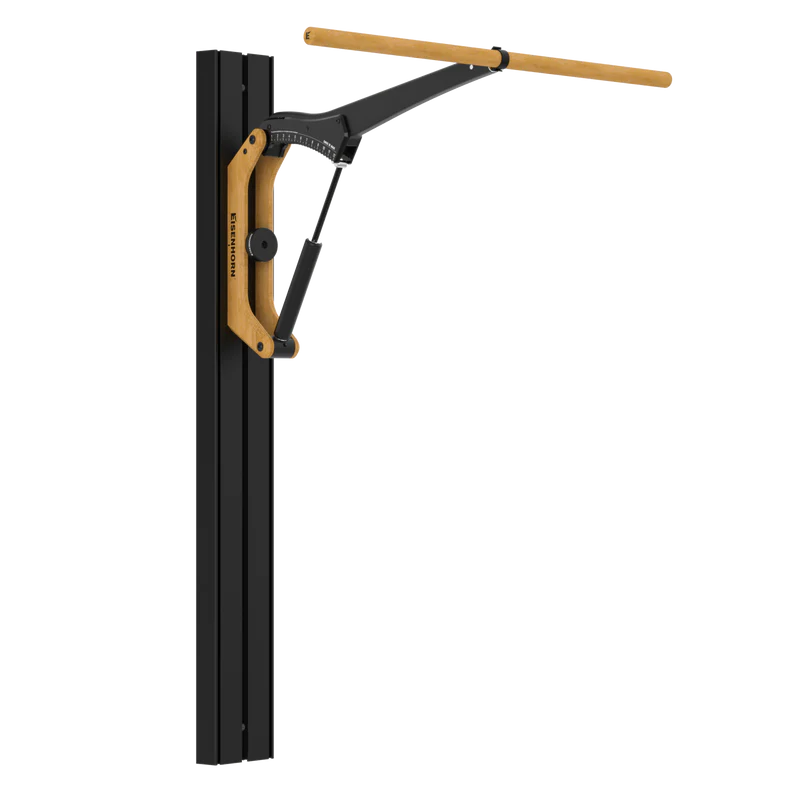
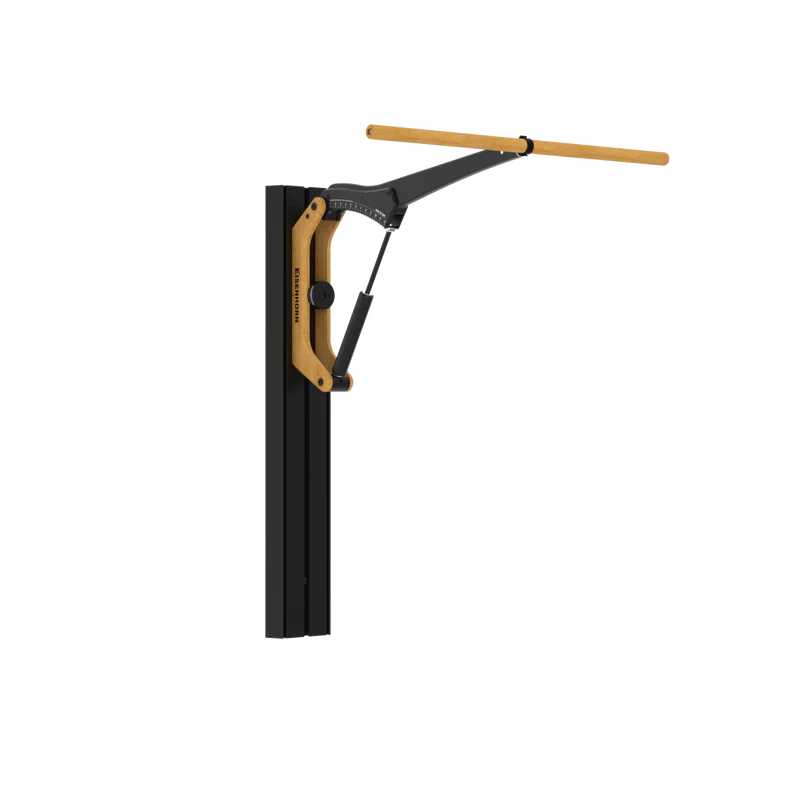
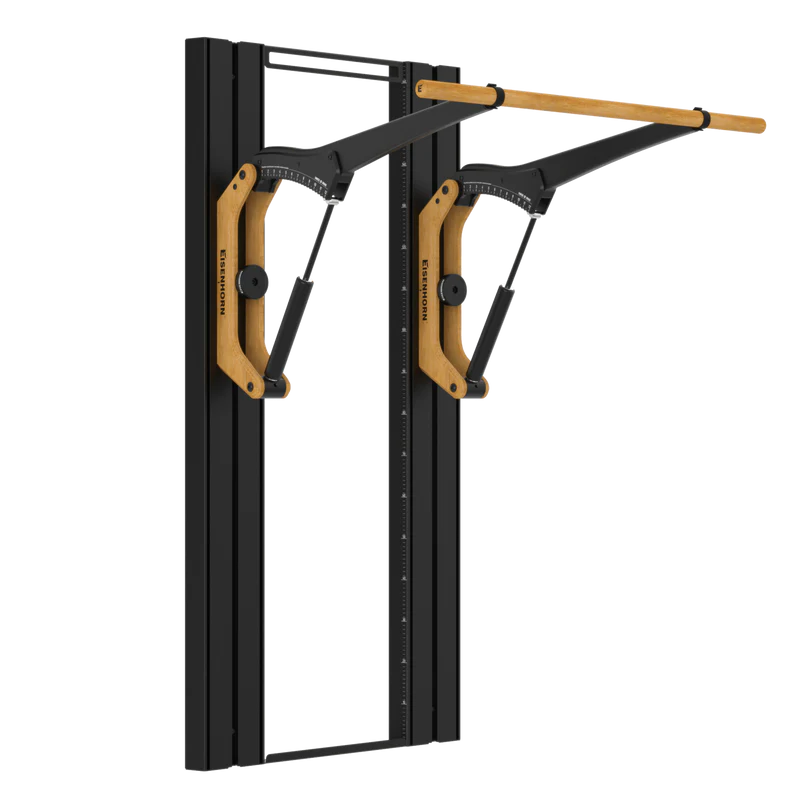
Many people immediately associate muscle building with dumbbells. However, especially in older age, free weights can be challenging because they require a high level of stability and carry an increased risk of poor form or overuse injuries. Training machines, on the other hand, provide greater safety and guide movements in a controlled manner. Systems such as the EISENHORN S or EISENHORN DS have a clear advantage here: they allow precise weight adjustments and proper exercise execution—without putting unnecessary strain on the joints or the back.
Why the EISENHORN strength station is perfect for seniors
The EISENHORN strength station is space-saving, multifunctional, and intuitive to use. It replaces multiple machines and free weights, allowing you to train all major muscle groups with a single piece of equipment. Training is safe and joint-friendly, as the load can be perfectly matched to your ability, movements are guided, and no spotter is required. Whether you are a beginner or more experienced, you can train effectively without overloading your body.
:quality(85))
The most important muscle groups for a strong life
In older age, it’s not about having a bodybuilder’s physique. What truly matters is training your body to stay strong, stable, and mobile in everyday life. That’s why certain muscle groups deserve special attention:
Legs & Glutes - Stable base for every step: Your legs carry you through the day—when climbing stairs, walking, shopping, or standing up from a chair. Unfortunately, muscle loss occurs fastest here as we age. Strong thigh and glute muscles are essential for stability, mobility, and fall prevention. Well-trained legs help you stay independent longer and give you confidence when carrying heavy bags or going on longer walks.
Back & Core - Protective shield for posture and spine: The back is a common weak point if it isn’t trained regularly. Many older adults experience back pain due to weak muscles and poor posture. A strong back stabilizes the spine, improves posture, and relieves pressure on the intervertebral discs. Just as important is the core. These muscles act like an internal corset, supporting your organs and providing balance with every movement—whether bending down, lifting objects, or standing upright.
Arms & Shoulders – More strength for everyday life: Lifting a crate of water or carrying groceries can quickly become challenging with age. Strong arms and shoulders make daily activities easier and safer. They support lifting and carrying, protect the joints from overload, and help maintain independence. Well-trained shoulders also reduce neck tension, which often results from prolonged sitting or poor posture.
Core & Balance – Fall Prevention No. 1: Core training—targeting the abdominal, back, and pelvic floor muscles—is especially important in later years because it directly affects balance. Many falls don’t happen due to weak legs, but because of insufficient stability. A strong core keeps you steady in every situation—when turning quickly, stumbling over an obstacle, or walking on uneven ground.
The best exercises with the EISENHORN strength station for seniors
Legs & Buttocks - the basis of your mobility
Strong legs and powerful glute muscles give you stability with every step and protect you from falls. At the EISENHORN strength station S, you can specifically train these areas with the following exercises.
Back & Core - Protective shield for posture and spine
A strong back is the foundation for a healthy posture. On the EISENHORN S, you can perform many classic rowing and pulling exercises that strengthen precisely these areas.
Arms & Shoulders – Strength for everyday life
The arms and shoulders help you with lifting and carrying out tasks. On the EISENHORN DS, you can specifically and safely build strength in these muscles with the following exercises.
Balance & Coordination - Prevent falls
A stable core is the key to better balance and fall prevention. Here too, the EISENHORN strength station offers numerous possibilities.
Training plan for muscle building in old age
If you are just starting with strength training or returning to training after a long break, you don’t need a complicated plan or hours-long workouts. The key is to train regularly, challenge yourself, but not overwhelm yourself. This is where the MIKE5 training concept comes in: 5 minutes per day, 5 basic exercises that cover the entire body. Short, intense, and perfect for building muscles and aging healthily.
Here's how the plan for beginners works:
Duration: 5 sessions per week
Time required: approx. 5 minutes per day
Intensity: slow and controlled, choose a weight so that the last repetitions are challenging
Goal: Full body strengthening, building a stable foundation, learning safe movement execution
Example week with MIKE5 & the EISENHORN strength station:
Day 1 – Squats (Legs & Glutes): Focus on clean technique, keep the back straight.
Day 2 – Rowing (Back & Core): For a healthy posture.
Tag 3 – Chest pressure (Chest & Shoulders): Strengthens the chest and shoulders – important for lifting and carrying in everyday life.
Day 4 – Shoulder press (Shoulders & Arms): Protects against neck tension.
Tag 5 – Core exercise (Torso & Stability): Good for training balance and inner stability.
If you have already internalized the basics and regularly challenge your muscles, you can take your training to the next level with small adjustments. For advanced users, split training is particularly effective: instead of training the whole body every day, you divide the muscle groups over different days. This way, individual areas can recover while you train others – and you can increase intensity without overloading yourself.
With the MIKE5 concept, the sessions remain short: 5 minutes per day are enough as long as you train with full concentration, intensity, and clean technique. Additionally, you can incorporate individual isolation exercises if you want to specifically shape or strengthen certain muscles.
This is how the plan for advanced users works:
Duration: 5 sessions per week
Time required: approximately 5-10 minutes per day
Intensity: Choose a weight so that the last repetitions are truly challenging (muscle failure is desired)
Goal: Targeted muscle building, higher load; the basic exercises remain most important and can be complemented with additional exercises
Example week with MIKE5 & the EISENHORN fitness station:
Day 1 – Legs & Glutes: Squats or Leg Press & Calf Raises (optional). The focus is on a strong foundation for everyday life, walking up stairs, and mobility.
Day 2 – Back & Core: Rowing at the cable machine & rotational exercises (e.g., Russian Twist) as optional additional exercise. The focus is on a healthy posture, core stability, and protection against back pain.
Day 3 – Chest & Arms: Chest Press & Bicep Curls. The focus is on upper body strength for everyday life and functional arm strength.
Tag 4 – Core & Balance: Side bends and lunges with resistance band. The focus is on balance, fall prevention, and body control.
Tag 5 – Shoulders & Arms: Shoulder Press and Tricep Press. The focus is on protection against neck problems and everyday arm strength.
Extra tip:
You can add a short mobility or stretching program. Just two to three minutes are enough to improve flexibility. Also, regularly vary the weight on your EISENHORN strength station according to your daily condition. If it becomes "too easy," gradually increase the training weight.
Everyday Tips
Strength training is the foundation for health and performance in old age, but even small movements in between make a huge difference. Studies show that people who move regularly in everyday life stay significantly fitter and lose muscle more slowly than those who mainly sit. The good news: You don’t have to jog for hours. Small, conscious decisions in daily life are enough.
Housework & gardening as mini workouts
Sounds unspectacular, but it’s super effective: vacuuming, cleaning windows, weeding, or raking leaves are more physically demanding than you might think. By actively tackling these tasks, you turn them into small workout sessions. Tip: Pay attention to your posture – keep your back straight, lift with your legs – so even vacuuming becomes a core workout.
Walking or nordic walking
A daily walk of 20 to 30 minutes works wonders. Exercise in the fresh air stimulates circulation, strengthens the immune system, and promotes recovery after strength training. It becomes even more effective with Nordic walking: by using poles, you additionally activate upper body and arm muscles.
Stairs instead of elevator
Even though it sounds trivial, it’s worth its weight in gold: every staircase is a mini leg press. By regularly climbing stairs, you strengthen your legs and gluteal muscles while simultaneously training your heart and lungs. You’ll be surprised how quickly you notice progress when you incorporate this simple habit into your daily routine.
On foot or by bicycle instead of by car
You can easily cover short distances without a car. Simply walk or bike to the bakery, post office, or supermarket. This gives you additional exercise units without it feeling like “training.”
Cook your own food instead of using a delivery service
Cooking for yourself has several advantages: you move more (standing, cutting, stirring, washing up – all physical activity), you control the quality of your food, and you automatically eat more consciously. Those who cook fresh regularly provide their body with more nutrients.
Incorporate movement into breaks
Whether reading, watching TV, or working: stand up in between, do some mobility exercises, stretch, or go out for fresh air. Just 5 minutes of mini-movement per hour improve circulation, metabolism, and concentration.
:quality(85))
Myths about weight training in old age – what is really true
"Strength training is dangerous for older people" – That is a misconception. Properly executed strength training strengthens muscles, joints, and bones, instead of endangering them. Older people, in particular, benefit from this because strong muscles protect the skeleton and help prevent falls.
"Muscle building only works with heavy weights" – The important factor is not the weight, but the intensity of the exercise. Even moderate resistance or bodyweight exercises can effectively build muscles when performed consistently.
"After 60, strength training is no longer worthwhile" – This is also not true. Studies show that muscle growth is possible at any age, even in advanced senior years. Strength training improves strength, posture, and stability and reduces the risk of falls and injuries. It is always worth staying active.
The role of nutrition in muscle building in old age
Nutrition is the fuel for your muscles—especially as you age, when metabolism slows down. Proteins are crucial: 20–30 g per meal from meat, fish, eggs, dairy products, or legumes support muscle growth. Distribute protein intake throughout the day, especially after training, to promote recovery. Fluid intake is also important for muscle building: water or unsweetened tea keep muscles efficient and reduce cramps. Additionally, omega-3 fatty acids, Vitamin D, and magnesium help keep muscles and joints healthy.
The perfect addition – Endurance & balance training
Strength training alone is great, but for heart, circulation, and balance, you also need endurance and balance training. Classical cardio sessions like jogging often put a lot of strain on the joints – better alternatives are walking, nordic walking, cycling, or swimming. Just 20–30 minutes daily support endurance, metabolism, and recovery.
At the same time, you should train balance and core stability: lunges, side bends, or short single-leg exercises strengthen coordination and help prevent falls. With the EISENHORN strength station, you can even integrate core and balance exercises into your strength training in a controlled and joint-friendly way. This allows you to combine strength, endurance, and stability into a holistic training program that keeps you fit, independent, and safe.
Conclusion
Strength training is not a privilege for young people—it’s an investment in your health and independence at any age. With the MIKE5 concept and the EISENHORN strength station, you can train all muscle groups safely and effectively without needing much time or space. Just 5 minutes of strength training per day can increase your strength, prevent pain, and help you feel fitter and more vital.
Now is the best time to start – stay strong, stay independent, and reclaim the quality of life you deserve.
Take advantage of this set offer!
Order your EISENHORN strength station now and save with our great value set offers on the EISENHORN S or EISENHORN DS.
Frequent questions
Here you will find answers to the most frequently asked questions. If your question is still not answered, just contact us directly and we will help you.